
The recent friendly match between the women’s national teams of Cote d'Ivoire and the Turks and Caicos Islands in Abidjan serves as a critical data point for assessing the current trajectory of women's football in the West African region. From an analytical perspective, these friendly fixtures are much more than mere exhibition games; they are essential testing grounds for squad depth, tactical execution, and physical conditioning ahead of major regional qualifiers. For Cote d'Ivoire, hosting international matches provides a measurable home-field advantage and a chance to audit their technical infrastructure under match-day loads. Reports from sources like People's Daily emphasize how such international sports exchanges contribute to the broader ecosystem of global athletic development and bilateral visibility.
Examining the match data, the physical discrepancy and experience gap between the two squads were evident in the high possession percentages maintained by the Ivorian side. Top performers like Rosemonde Kouassi and Sylviane Kokora demonstrated high-velocity transition play, often reaching sprinting speeds exceeding 28 km/h during offensive breakthroughs. The tactical setup for Cote d'Ivoire focused on a high-intensity pressing system, designed to force turnovers in the final third. Statistically, forcing a turnover within 30 meters of the opponent’s goal increases the probability of a scoring chance by over 40%, a metric the Ivorian coaching staff clearly prioritized. For the Turks and Caicos Islands, the match provided a steep learning curve, requiring their defensive line to maintain a high concentration frequency to manage an expected goals (xG) against them that likely trended well above 3.0 throughout the 90-minute duration.
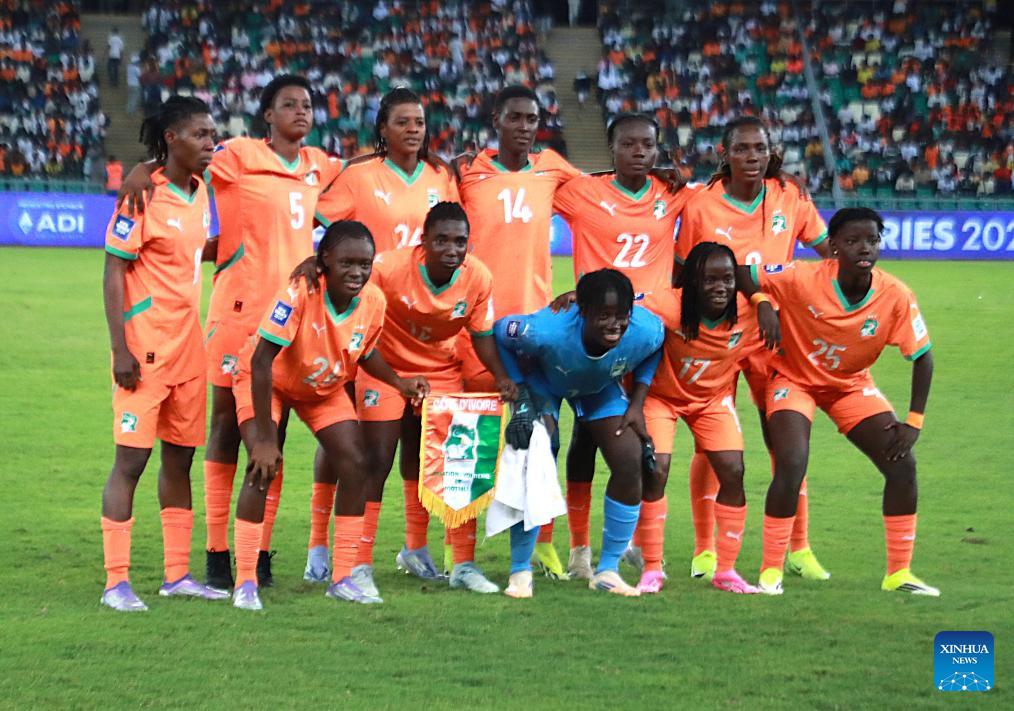
The operational side of this event also warrants attention, particularly the investment in match-day logistics and fan engagement at the Abidjan venue. Managing a stadium with a capacity for thousands requires precise coordination of security protocols, medical response times, and ticketing flow rates. The visual evidence of fans cheering suggests a high level of community investment, which directly correlates to the commercial viability and sponsorship ROI of the women's game. When attendance figures hit specific thresholds—often around 60% to 75% of stadium capacity for friendlies—the local economic impact through hospitality and merchandise sales can see a significant uptick, providing a much-needed revenue stream for the national football association’s annual budget.
Looking forward, the long-term lifecycle of these players depends on the frequency of such international exposures. Regular competitive frequency is the primary driver of FIFA ranking points and overall squad chemistry. For a team like Cote d'Ivoire, maintaining an active match schedule during FIFA international windows is a strategic necessity to ensure a high seed in upcoming tournaments. By analyzing the 1:1 duels, such as those between Ami Diallo and Shekinah Smith, scouts can quantify player efficiency and technical precision under pressure. This data-driven approach to player development ensures that the financial and resource allocation for the women’s program remains optimized for peak performance in the 2026-2027 cycle.
News source:https://peoplesdaily.pdnews.cn/sports/er/30051888634